

IMMUNOTHERAPY FOR EPSTEIN-BARR VIRUS-RELATED LYMPHOMAS
All claims expressed in this article are solely those of the authors and do not necessarily represent those of their affiliated organizations, or those of the publisher, the editors and the reviewers. Any product that may be evaluated in this article or claim that may be made by its manufacturer is not guaranteed or endorsed by the publisher.
Authors
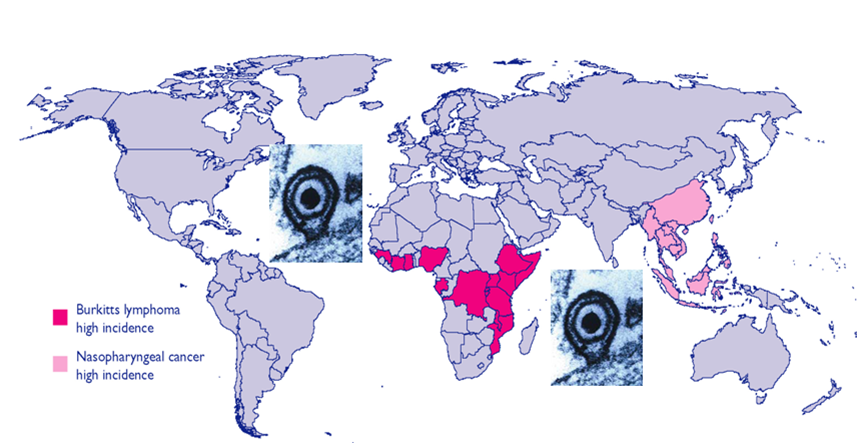
Latent EBV infection is associated with several malignancies, including EBV post-transplant lymphoproliferative disorders (LPD), Hodgkin and non-Hodgkin lymphomas, nasopharyngeal carcinoma and Burkitt lymphoma. The range of expression of latent EBV antigens varies in these tumors, which influences how susceptible the tumors are to immunotherapeutic approaches. Tumors expressing type III latency, such as in LPD, express the widest array of EBV antigens making them the most susceptible to immunotherapy. Treatment strategies for EBV-related tumors include restoring normal cellular immunity by adoptive immunotherapy with EBV-specific T cells and targeting the malignant B cells with monoclonal antibodies. We review the current immunotherapies and future studies aimed at targeting EBV antigen expression in these tumors.
Downloads
Citations